Need Help Booking? Call Us
Plan your Upper Mustang Trek, famous for its unique culture, history, and stunning desert landscapes. Known as the “Last Forbidden Kingdom,” it offers a rare glimpse into centuries-old traditions. Explore detailed information including itinerary, cost, highlights, and the best time for a hassle-free trekking experience.
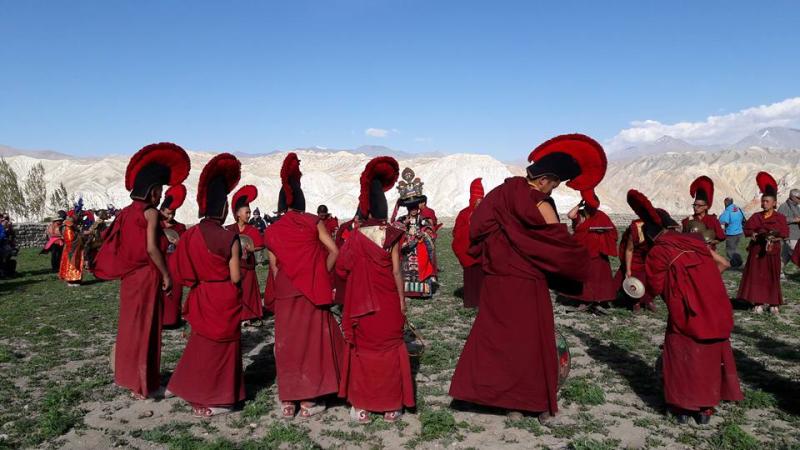
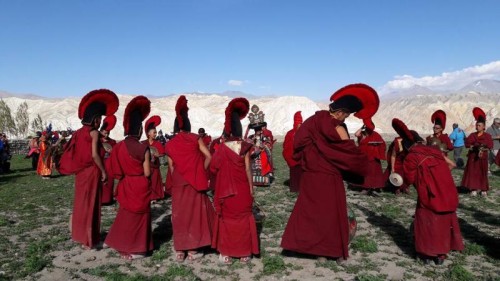
The Upper Mustang Trek is a popular trekking route in the Mustang region of Nepal. This remote and restricted area lies to the north of the Annapurna and Dhaulagiri mountains. This trek offers the opportunity to witness local festivals and cultural events, providing a deeper understanding of the region's traditions.
Trekking in Upper Mustang is a rare privilege where you can experience the true aroma of isolated Himalayas in Nepal. Located at the border of the Tibetan Plateau, trekking in Mustang in many ways resembles trekking in Tibet. Upper Mustang Trek is an ancient Buddhist kingdom of LO-LO which used to be part of the Tibetan empire so it is closely associated with Tibet in terms of culture, dialects, and geography.
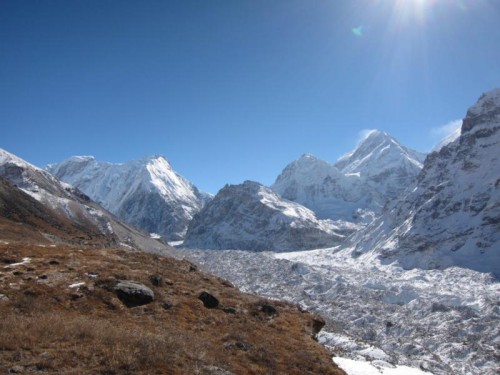
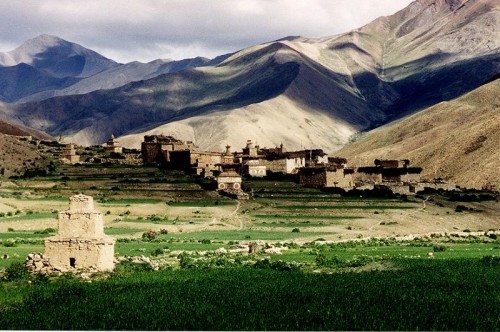
Since Upper Mustang Trek was a restricted and demilitarized territory up until 1992, it has managed to maintain a high level of cultural preservation, with the bulk of its inhabitants still adhering to Tibetan traditions and speaking distinct languages. Mustang is nestled in the rain-shadowed area of Dhaulagiri and Annapurna massif making it a suitable region for trekking in monsoon. Upper Mustang is also well-known for its unique beauty and unspoiled nature comprising the majority of the area festooned with ruggedly barren land engulfed by rocks in different kinds of colors and impressive formations. The arid landscapes are dotted with small settlements of white-washed houses, barley fields, and many Monasteries and Chortens decorated with fluttering prayer flags. Additionally, it captures the admirable view of Mt. Nilgiri, Mt. Dhaulagiri, Mt. Annapurna, and multiple other Himalayas.
The Upper Mustang Trekking trail traverses an ancient salt trading route which used to be a well-traveled route for people of Mustang to trade grain from the lowlands. It starts from Jomsom and ends at Jomsom again, which is the main highlight of the trek. There are itineraries available for the route to Lo-Manthang ranging from moderate to strenuous grades. It is possible to conduct a trek in completely tea-house mode, camping is not needed unless you go for a beaten-off track. Trekking to Upper Mustang goes through an almost treeless barren landscape and steep rocky trail along with a dominating view of soaring Nilgiri, Annapurna, and Dhaulagiri.
Lo-Mantang is a semi-autonomous and heavily Tibetan-influenced village decorated with desolate but incredible landscapes interspersed with treeless barren land and lush culture. The hamlet is well-known for white-washed mud bricks, Gompas, and the Royal King Palace built in the 14 century. Also Known as the “God House '', this place is dotted with numerous gracious temples and Gompas including Jampa Lhakhang, Thubchen Gompa, Jampa Gompa, Chodey Gompa, and the Choprang Gompa. Travelers can wander around town and visit the Amchi museum and Amchi School. Amchi is a traditional doctor of Lo-Manthang.
Upper Mustang Trek is a moderate trek ideal for passionate trekkers who have the ability to walk for 6 hours a day with a light rucksack. The best time to go for Upper Mustang trekking is during the monsoon months (June-August) as this region is located in the rain shadow area of Nepal. However, it is possible to conduct the trek throughout the year. It is mandatory to obtain a trekking permit for Upper Mustang from the department of immigration in Nepal. Permit for trekking in Upper Mustang Trek is only issued to a group of at least 2 people accompanied by a guide. US $ 500 per person is charged for the first 10 days in Upper Mustang and after 10 days US $ 50 is charged per day per person. Restriction starts after Kagbeni, the small town of Mustang.
Yes, it's possible to explore Upper Mustang via a Jeep tour, offering an alternative way to experience the region's stunning landscapes and cultural heritage. While trekking is the most common way to visit Upper Mustang, Jeep tours provide a more accessible option for those with physical limitations, time constraints, or simply a preference for a different mode of travel.
The road network has stretched up to Lo-Manthang from Jomsom. Therefore, lots of people also opt for overland jeep tours. The road is graveled and bumpy, though, requiring travelers to embark on the journey either by motorbike or four-wheeled jeep. Nowadays, cycling is also becoming popular in the area.
Some adventurous cyclists undertake the Annapurna Circuit cycling tour and include the Upper Mustang region as well. The risk of altitude sickness is very high during the overland jeep tour, as the altitude gain is rapid along the road trip. Therefore, some people prefer trekking instead. However, both modes of travel offer a breathtaking experience of the region.
Normally, there is a jeep road connecting Jomsom to Lo Manthang for the Upper Mustang Trek. Jomsom is the starting point of the trek, and Lo Manthang is the final destination. The classic trekking route generally follows sections of this road. However, our updated itinerary is designed to avoid the jeep road as much as possible.
You will need to walk on the road from Jomsom to Kagbeni on Day 1 and from Kagbeni to Chele on Day 2. After that, about 40% of the trail from Chele to Syangbochen, around 70% from Syangbochen onward and almost 100% from Charang to Lo Manthang follow the road. The rest of the journey uses traditional trekking trails whenever possible.
Our guides are very experienced and have trekked this route many times. They know the best alternative paths to avoid the jeep road wherever possible. The guide will also be flexible in adjusting the standard itinerary, and along the way you can consult with them to choose better trails and avoid the road whenever possible during the Upper Mustang Trek.
The cost of the Upper Mustang Trek for the 17-day standard itinerary includes services from the trekkers’ arrival in Kathmandu until their departure back home, is USD 1,850 per person. This cost requires a minimum of 2 participants or more. the cost detailed information about the services included and excluded can be found in the cost section, where the pricing is clearly explained.
Please note that luxury accommodation, personal trekking gear, bar bills, internet, device charging, and travel insurance are not included in the total cost. These items are clearly mentioned in the cost details.
The overall cost may be higher than the base price due to additional personal expenses such as extra food, drinks, hot showers, Wi-Fi, and other unforeseen costs during the trek.
Sometimes the total cost can be higher or lower depending on several factors, such as the level of service you choose, group size, duration of the trek, transportation options, and the trekking agency you select. Therefore, we highly recommend that all trekkers carefully read the full cost details, compare different options, and choose the package that is the most transparent and suitable for them.
There are many benefits to booking the Upper Mustang Trek with High Pass Adventure. We provide complete and updated information about the itinerary, cost details, trek highlights, best routes, and the best time to travel. You can easily contact us through WhatsApp, Viber, or Facebook Messenger for quick assistance.
Our team is friendly, helpful, and dedicated to providing convenient and reliable service. Our top priority is the safety and security of our clients while delivering high-quality service to every customer. With true dedication, we carefully plan your trip to ensure you have one of the most memorable journeys of your lifetime.
We offer the best trekking packages at a reasonable and transparent cost, so you clearly understand the value of your money. We organize trips according to the trekkers’ needs, including small group treks, couple treks, private treks, family tours, solo trekking, honeymoon trips, and larger group trekking.
In addition, our guides have many years of experience in the trekking field and are trained with basic first aid knowledge. We also hire strong and reliable porters to help carry your luggage during the trek.
Your trekking journey in Nepal will be led by our professional and experienced guide, who will assist you from airport arrival to departure, so arrange all logistic. Our porter will carry the luggage of two trekkers (maximum 30 kg), allowing you to focus fully on enjoying your trekking experience in Nepal without any worries.
Preparation is essential for trekking and climbing in the Nepal Himalayas, especially if you're planning the Upper Mustang Trek, as the area is restricted and the permits are expensive to obtain. The 17-day itinerary for the Upper Mustang Trekking, from your arrival to your departure from Nepal, requires proper preparation to ensure safety, enhance your experience, and help you enjoy the trek to its fullest.
The journey of Upper Mustang Trekking is relatively challenging due to its remote location in high Himalayas but highly rewarding. It takes you through farmlands, local villages of Thakali, Gurung, likes Tibetans group at upper Mustang region, terraced rice fields, diverse landscapes, narrow trails, windy and dusty, rocky or muddy paths, and high-altitude desert-like landscapes. The trek and climb involve ascents and descents, requiring 5 to 8 hours of walking each day on the trekking. Therefore, careful physical preparation is essential.
Proper preparation for the Upper Mustang Trek includes booking your trip with an experienced and reputable trekking agency, hiring an experienced guide and staff, hiking to high elevations to reduce the risk of altitude sickness, managing your budget, look for the Groups, packing the appropriate gear for trekking, and building endurance and strength through activities such as walking, day hiking, running, biking, jogging, stretching, and swimming.
Another important aspect of preparation is to seek medical advice from a doctor before travel from your home, especially if you have respiratory concerns or other health issues such as food or drink allergies. Travel insurance is also essential for trek preparation; we recommend obtaining insurance that covers emergency evacuation during the 17 days Upper Mustang Trek, as the trek takes place in a remote area where emergency medical cares are difficult to access. By following these guidelines, you can successfully complete the 17 days Upper Mustang Trek without any issues.
The itinerary provided below is a guideline and our standard itinerary for the Upper Mustang Trek for all groups. If you have your own itinerary, we are flexible and happy to follow it. If not, we can create a customized itinerary based on your requirements and available vacation time.
This trek can be tailored according to your preferred duration, budget, and schedule. If you agree with the itinerary below but want to make changes along the route, you can consult with your guide. The guide will be flexible and help you adjust the trek according to your preferences, pace, and needs, providing the best options to ensure an enjoyable and safe trekking experience.
High Pass Adventure warmly welcomes you to Nepal at Tribhuvan International Airport (TIA). A member of our team will be waiting for you outside the baggage hall, holding an A4-sized paper with your name and our company name.
This representative will escort you from the airport to your hotel in Kathmandu via a private vehicle. Upon arrival at the hotel, you can check in, rest, and freshen up before attending a meeting at our trekking office to discuss the details of your Upper Mustang Trek program.
Today, you will visit some of the wonderful UNESCO World Heritage Sites in the Kathmandu Valley, such as Bhaktapur Durbar Square, Pashupatinath, and Boudhanath. Enjoy your breakfast at the hotel, and around 7:30 am, get ready for a sightseeing tour of the Kathmandu Valley with an experienced tour guide and private vehicle.
This tour offers unique insights into Buddhism, Hinduism, ancient art, historical architecture, and the culture and lifestyle of the people of the Kathmandu Valley.
After the tour, you will return to our office to finalize your trekking clothing and gear. Our guide will review the equipment you are bringing and advise what is necessary to take for the Upper Mustang Trek and what can be stored in Kathmandu. This will make it easier to collect any missing trekking items you may need before departure.
After breakfast, we will depart from the hotel in Kathmandu around 6:30 am, as the tourist bus leaves at 7:00 am. On this day, you will have a packed breakfast. Our guide will arrive at the hotel on time to accompany you to the tourist bus station.
The bus journey to Pokhara follows the Prithvi Highway, offering beautiful views of river valleys, small towns, Nepali villages, terraced fields, and lush mountain landscapes. Along the way, the bus will stop for restroom breaks, tea breaks, and lunch.
It takes approximately 6–7 hours to reach Pokhara. Upon arrival, you will check in to your hotel and have time to rest. In the evening, you can visit the Lakeside area for a pleasant dinner while preparing for the next day’s flight to Jomsom and the start of your trek.
Flights to Jomsom operate in the early morning between 6:00 am and 10:00 am. Therefore, you will need to leave the hotel early, and breakfast will be packed to take with you.
The flight takes about 15–20 minutes and offers a spectacular scenic journey between two of the world’s highest mountains, Annapurna (8,091 m) and Dhaulagiri (8,167 m). You will enjoy breathtaking mountain views during this short flight.
After landing at Jomsom Airport, you will meet your trekking porter and begin trekking to Kagbeni, following the Kali Gandaki Valley along the road. The trek takes approximately 3 hours.
Kagbeni is the traditional gateway to Upper Mustang. Today’s walk is easy, allowing you to enjoy beautiful mountain views. After arriving at your guest house in Kagbeni, you can explore the village, including its temples and monasteries.
After breakfast at the Kagbeni hotel, we begin our trek to Chele. Our guide will check the special Upper Mustang trekking permits at the Kagbeni checkpoint before we enter the Mustang region. The trail passes through several ridges, as well as the villages of Tangbe and Chuksang.
Along the route, you will see colorful prayer flags, chortens, and mani walls. You will also pass farms growing apples, wheat, potatoes, and buckwheat before reaching Chele. We will stop for lunch in Chuksang, and after lunch, continue walking to Chele for our overnight stay. However, much of today’s walk follows the road.
Today, after breakfast, we head toward Syangbochen. After Samar Village, the trail divides into two options. One is the classic route; however, nowadays much of this section follows the road. The other option is via Chunsi Cave.
We highly recommend taking the second option through Chunsi Cave, as it is more scenic and avoids much of the road walking.
Today’s hike is slightly more challenging as we pass through the Samar and Vena settlements across barren landscapes and cross a few passes before reaching Syangbochen. Along the way, you will enjoy wonderful mountain views, impressive cliff caves, colorful chortens, and prayer flags hanging at the passes, making it a truly memorable trekking day.
After breakfast at the Syangbochen hotel, we continue our journey toward Dhakmar. Today is a bit challenging but also a wonderful trekking day due to the increasing elevation. We will cross two high passes, including Nyi La (4,020 m), before reaching Ghami Village, where you can enjoy spectacular landscapes and panoramic mountain views.
We will stop at Ghami Village for lunch. After lunch, we cross the Ghami River and gently ascend to Dhakmar Village. Near Dhakmar, you will see impressive red cliffs and ancient caves, which are the highlights of the area.
Today we follow a different route from the classic Upper Mustang Trek to reach Tsarang via Ghar Gompa. After breakfast in Dhakmar, the trail ascends toward Ghar Gompa, crossing an elevation of over 4,000 meters.
Ghar Gompa is historically significant, and you will have time to visit the monastery before having lunch there. After lunch, the trail gradually descends to Tsarang Village.
Along the way, you can enjoy spectacular landscapes and panoramic mountain views. Tsarang (Charang) is the second-largest village in the Upper Mustang region and was the former capital of Mustang before Lo Manthang.
Today you will reach the final destination of your trip, Lo Manthang, which is one of the main highlights of the Upper Mustang Trek. Lo Manthang was the capital of the former Kingdom of Mustang and is home to the impressive old royal palace.
The trekking trail follows gentle ups and downs across barren landscapes, offering beautiful and scenic views along the way. Today’s walk takes about 4–5 hours, mostly along the road.
After breakfast in Tsarang, we head toward Lo Manthang. Upon arrival, you will have time to explore the beautiful ancient monasteries and the historic village. Today will be a wonderful and memorable trekking day.
Today you will spend an extra night in Lo Manthang. On this day, you can hike to Choser Cave and explore this mysterious site of the Upper Mustang Trek.
You may either walk or hire a horse, as some trekkers prefer to ride due to the 4–5 hour round trip. The Choser Caves were created many years ago in the cliffs and are an important historical and cultural site. You can also explore other nearby caves and monasteries before returning to Lo Manthang, enjoying the wonderful landscapes along the way.
If you have additional time, you can further explore Lo Manthang village, including its old monasteries and traditional local houses.
Today, after breakfast at Lo Manthang, we begin our journey toward Yara Village. The trekking route includes both ascents and descents, passing through Dhi Village and crossing the Kali Gandaki River along the way.
After leaving Lo Manthang, we follow the same trail for about one hour before turning left toward Yara Village. The route gently ascends for about one hour, followed by a steep descent to Dhi Village. We will stop in Dhi Village for lunch. After lunch, we cross the Kali Gandaki River and gradually ascend to reach Yara Village.
If you arrive early in Yara Village, you may have the opportunity to visit Luri Gompa, which takes about two hours for a round trip. Luri Gompa is an ancient monastery with fascinating historical significance in the Upper Mustang region.
Today will be another rewarding trekking day, offering stunning mountain views, dramatic landscapes, and an exciting adventure.
If you did not visit Luri Gompa on the previous day, you may visit it early in the morning before breakfast.
After breakfast, we begin trekking toward Tangge Village for our overnight stay. There is no proper lunch stop along today’s route, so you will carry a packed lunch.
The trail descends from Yara and becomes relatively flat near the riverside. It then continues with a series of ascents and descents before reaching Tangge, crossing the Damodar Kunda River along the way.
This area can be quite windy, so it is important to wear proper windproof trekking gear for protection. The trek takes about 5–6 hours. After arriving in Tangge, you will have time to explore the village.
Along the way, you will enjoy stunning views of the surrounding landscapes.
Today will be the longest and most challenging trekking day of the entire journey. There are no houses or lodges for food and accommodation between Tangge and Chuksang, and we will need to cross high elevations of around 4,500 meters.
After breakfast, we begin our journey with a packed lunch and sufficient drinking water for the day.
The route starts with a steep ascent to a high ridge, follows the ridgeline for some time, and then descends steeply to reach Chuksang. This day offers a unique and adventurous trekking experience. Along the way, you will enjoy breathtaking views of the surrounding mountains and dramatic landscapes.
After the long walk, you will arrive in Chuksang, where you can enjoy a nice meal and comfortable accommodation.
Today, there are no places for food or accommodation between Chuksang and Muktinath, so we will leave after breakfast with a packed lunch. The trail ascends gradually to the Gyu-La Pass (4,077 m).
Today offers a beautiful trekking experience with wonderful panoramic views of the Annapurna and Dhaulagiri ranges. After crossing the pass, the trail descends to a stream, then makes a short ascent to Chyangur Village, before gradually descending to Muktinath.
Muktinath is a popular sacred site for both Hindus and Buddhists. If you arrive early, you can explore the Muktinath Temple area today, or visit it the next morning. The temple is famous as a pilgrimage site and attracts many visitors. Key highlights include 108 holy water taps, where taking a ritual bath is believed to bring salvation, the eternal flame, and Buddha Park.
Muktinath and Pokhara are connected by road, so most trekkers drive from Muktinath to Pokhara instead of flying from Jomsom, as Jomsom flights are often unreliable. About 85% of the road is paved, with the remaining section unpaved. The drive takes approximately 7–8 hours, with stops for restrooms and lunch breaks.
If you did not visit Muktinath Temple yesterday, you may visit it early in the morning before breakfast, then begin the journey to Pokhara after breakfast.
Upon arrival in Pokhara, your guide will take you to the hotel, where you can rest after the long drive and your Upper Mustang Trek adventure. If time permits, you can explore Pokhara city and Fewa Lake. The trek concludes in the beautiful city of Pokhara, where you can enjoy a shower, delicious food, and relax with your guide.
Today, we need to leave early in the morning around 6:30 am, as the tourist bus departs at 7:00 am. Since it is too early for breakfast at the hotel, you will be provided with a packed breakfast. Your guide will arrive on time to accompany you to the bus station for the journey to Kathmandu.
The road is mostly a highway, about 90% paved and the remaining section unpaved. The journey takes you along river valleys, through small towns, terraced fields, and beautiful green hills on the way to Kathmandu. During the trip, there will be stops for restrooms, lunch, and snacks.
Upon arrival in Kathmandu, you can rest at your hotel after the long drive. In the evening, you will be invited to a farewell dinner at a traditional Nepali cultural restaurant, where you can enjoy authentic cuisine along with live music and cultural dance performances.
Today marks the last day of your trip to Nepal. One of our High Pass Adventure staff members will accompany you to Kathmandu International Airport for your flight departure.
If you wish to plan an additional trip to Nepal or return for another adventure, we are always here to assist you with your next journey and adventure activities.
High Pass Adventure have working best guide and porter for the trekking. We are providing an excellence service to our customer. All our costs are net and very clear on cost include-excludes. We have paid best salary to Trekking, Tour guide and porter which is more than government fixed amount. Our entire customers are satisfied from our service. For the more details please feel free to contact us.
Upper Mustang is located in the north-central part of Nepal, to the north of the Annapurna and Dhaulagiri mountain ranges. It is bordered by the Tibetan Plateau to the north. This remote and isolated region within the Himalayas used to be the Kingdom of Lo. Known for its unique Tibetan culture, ancient monasteries, and breathtaking landscapes, Upper Mustang includes Lo Manthang, a walled city that served as the historical capital of the Kingdom of Lo.
Upper Mustang Trek in Nepal is restricted for tourism, and special permits are required to trek in this area. The restrictions were implemented for several reasons such as Cultural Preservation, Environmental Conservation, Geopolitical Sensitivity and Economic Regulation.
It's necessary to note that regulations and policies, so it's advisable to check with the relevant authorities or a local travel agency for the most up-to-date information on trekking permits and restrictions in Upper Mustang Region.
The best time for the Upper Mustang Trek in Nepal is during the end of spring to the beginning of the autumn seasons, specifically from May to September, which constitutes the main summer season. These months provide the most favorable weather conditions for trekking in the region because it is in the rain shadow.
The Upper Mustang region in Nepal is situated in the rain shadow of the Himalayas, resulting in significantly less rainfall compared to areas on the windward side of the mountains
The Upper Mustang Trek in Nepal is considered to be a moderately difficult trek. The level of difficulty will be varying depending on individual fitness levels, experience with trekking at high altitudes, and the specific route taken. So, the Upper Mustang Trek is suitable for trekkers with some previous trekking experience and a reasonable level of fitness.
The Upper Mustang trek is a demanding trek in the remote region of Nepal, and it's necessary to be physically prepared to ensure a safe and enjoyable trekking experience. Here are some physical preparation tips such as cardiovascular fitness, Strength training, Endurance training, mental preparation and Medical check-up.
The duration of the Upper Mustang Trek is varying depending on the specific itinerary you chosen. On average, the trek takes around 10 to 14 days from and to Kathmandu. It means, includes the time required to reach the Upper Mustang region from Kathmandu, the trekking days, and the return journey. The special Upper Mustang Trek permits require 10 days, starting from and returning to Kagbeni.
The cost of a special permit (restricted areas permits) for the Upper Mustang Trek in Nepal is USD 500 for a 10-day permit. And also need to buy the Annapurna Conservation Area Project entrance permits, it cost NPR 3000. The Upper Mustang region has certain restrictions and requirements for trekking, including the necessity to be accompanied by a registered guide from authority local trekking agency
The cost of the Upper Mustang Trek in Nepal is also vary depending on several factors you chosen, including the trekking agency, the duration of the trek, the services included, and the time of year.
As a general estimate, the cost for the Upper Mustang Trek can range from USD 1,500 to USD 2,500 or more per person. This cost typically covers permits, guides, transportation, accommodation and meals the trek.
The Upper Mustang Trek in Nepal is often more expensive than other treks of similar length for several reasons like Restricted Area Permit (RAP), Minimum Group Size Requirement, Cultural Preservation Fee, Special Permits for Filming, Remote Location and Transportation Costs, Specialized Guides.
So, It's necessary to consider these factors when planning for the Upper Mustang Trek and to choose a reputable trekking agency that provide necessary permits, experienced guides, and ensure a safe and enjoyable trekking experience in this unique region.
Trekking to Upper Mustang in Nepal is a popular adventure, but it's necessary to consider several factors before attempting a solo trek because trekkers need a special permit to enter. For that obtaining the required permits typically necessitates a minimum of 2 people, or you may need to purchase 2 permits.
Yes, you can do private trek to Upper Mustang but require minimum 2 people. Upper Mustang region in Nepal was a restricted area, and travelers were required to obtain a special permit to trek there. The permits were issued only to organized trekking groups, and individual trekkers were not allowed.
Accommodation and food option during the Upper Mustang Trek is vary, because there is enough teahouses for the Accommodations. These teahouses typically provide rooms with basic amenities like a bed, blankets, and possibly a shared bathroom. Teahouses offer a menu with a variety of meals, including local and international dishes. Common options include dal bhat (rice and lentil soup), noodles, pasta, momos (dumplings), and more.
Yes, Guides are essential for any high-altitude trekking journey. Trekkers pass through remote trails and rugged terrains to reach their destination every day. Therefore, professional trekking guides will help navigate and ensure your safety along these trails. Porters will also assist with your luggage, allowing you to trek freely without any hassle.
The best time for the Upper Mustang Trek in Nepal is during the end of spring to the beginning of the autumn seasons, specifically from May to September, which constitutes the main summer season. These months provide the most favorable weather conditions for trekking in the region because it is in the rain shadow. During these times as the skies are generally clear, offering stunning views of the surrounding Himalayan peaks.
The Upper Mustang region in Nepal is situated in the rain shadow of the Himalayas, resulting in significantly less rainfall compared to areas on the windward side of the mountains. So, that time typically offer dry weather with minimal precipitation, making it easier to navigate the rugged terrain of the Mustang region.
The temperatures in Upper Mustang Region will be varying depending on the season and the specific elevation you are at during your trek. Here is a general overview of the temperatures you might encounter:
Spring (March to May):
Autumn (September to November):
Winter (December to February):
Summer (June to August):
These temperature ranges are approximate and will be varying depending on the specific location and altitude within the Upper Mustang region. It's necessary to check the weather forecast and be prepared for a wide range of temperatures when planning your trek to Upper Mustang.
In Upper Mustang, you can find a range of accommodations and food options, although the choices may be more limited compared to popular trekking routes like the Everest Base Camp or Annapurna Circuit due to the region's remoteness and restricted access. Here's what you can expect in terms of food and accommodations:
Teahouses/Lodges: Along the trekking route in Upper Mustang, there are teahouses and lodges where you can stay overnight. These are basic guesthouses with simple rooms featuring beds, blankets, and sometimes shared bathrooms. While the facilities may be basic, they offer a comfortable place to rest after a day of trekking.
Camping: For those seeking a more adventurous experience or trekking off the beaten path, camping is also an option. However, camping requires carrying your own camping gear, including tents, sleeping bags, and cooking equipment.
Teahouse Meals: Teahouses along the trekking route typically serve meals such as dal bhat (rice with lentil soup, vegetables, and sometimes meat), noodles, pasta, fried rice, momos (dumplings), and other local and international dishes. Meals are usually hearty and provide the energy needed for trekking.
Snacks: Along the trail, you can find snacks such as energy bars, chocolate, cookies, nuts, and dried fruits at teahouses or small shops. These snacks can be convenient for quick energy boosts during the trek.
Bottled Water: It's essential to stay hydrated while trekking, so bottled water is available for purchase at teahouses and shops along the route.
However, it's also advisable to bring water purification tablets or a water filter to treat water from natural sources if you prefer to reduce plastic waste and save on costs.
To trek in Upper Mustang, you need to obtain certain permits due to the region's restricted status as a controlled area. Here are the main permits required for the Upper Mustang Trek:
The Restricted Area Permit (RAP) is the primary permit required for trekking in Upper Mustang. This permit is issued by the Department of Immigration in Kathmandu through a registered trekking agency in Nepal.
The RAP for Upper Mustang is relatively expensive compared to permits for other trekking regions in Nepal due to the restricted status of the area. The cost for the RAP is USD 500 per person for 10 days, with additional fees for extended stays.
Upper Mustang is part of the Annapurna Conservation Area, so, most trekkers access Upper Mustang through the Annapurna region, starting their trek from Jomsom or Kagbeni. As a result, trekkers need to obtain the Annapurna Conservation Area Permit (ACAP) as well.
The ACAP can be obtained in Kathmandu or Pokhara and is required for trekking in the Annapurna region. The cost of the ACAP Permits is around $25.
It's important to obtain these permits before starting your trek, as trekking in Upper Mustang without the necessary permits is illegal and can result in fines or other penalty. Additionally, it's necessary to trek with a licensed guide through a registered trekking agency, as they assist with obtaining permits, logistics, and ensuring a safe trekking experience.
Upper Mustang Trek, located in the Mustang region of Nepal, is famous for its unique landscapes, ancient Tibetan culture, and remote villages. The trekking roure is considered moderately challenging, suitable for trekkers with previous hiking experience and a reasonable level of fitness. Proper preparation, including physical conditioning, acclimatization, and logistical planning, is essential for a safe and enjoyable trekking experience in this stunning region of Nepal.
Here's an overview of the difficulty of this trek:
Altitude: The Upper Mustang region lies at a high altitude, with elevations reaching over 4,000 meters (13,000 feet). Altitude sickness can be a concern for trekkers, especially if you are ascend too quickly. Proper acclimatization and gradual ascent are essential to minimize the risk of altitude-related illnesses.
Terrain: The terrain in Upper Mustang varies, ranging from rocky trails to barren landscapes similar to desert areas. Trekkers can encounter steep ascents and descents, as well as narrow paths along cliff sides. Some sections of the trail may be rough and challenging to navigate, requiring good physical fitness and quickness.
Weather: Weather conditions also pose challenges, especially during the trekking seasons. The Upper Mustang region experiences cold temperatures, particularly at higher elevations, with the possibility of snowfall at certain times of the year. Trekkers should be prepared for changing weather conditions and pack appropriate clothing and gear.
Remote Location: Upper Mustang is a remote and isolated region, with limited access to facilities and services. Trekkers may need to be self-sufficient for extended periods to higher trail, carrying essentials such as food, water, and camping gear.
Permit Requirements: Trekking in Upper Mustang requires a special permit, as the region is a restricted area. Trekkers must obtain the necessary permits through a registered trekking agency, which adds an extra step to the planning process.
Trek to Upper Mustang is best choice because the trek offers a unique and memorable experience with its combination of stunning landscapes, ancient cultural heritage, and remote villages.
Here are some of the highlights to choose the trek:
Ancient Tibetan Culture: Upper Mustang is often referred to as a "Hidden Kingdom" because of its historical ties to Tibet and the preservation of Tibetan Buddhist culture. Trekkers can explore ancient monasteries, caves decorated with centuries-old murals, and traditional Tibetan villages. The region's architecture, art, and religious practices provide insights into its rich cultural heritage.
Scenic Landscapes: The trek takes you through diverse landscapes, including barren valleys, rugged mountains, and dramatic cliffs. The unique geology of the region, characterized by windswept rock formations and deep gorges, creates a strange and otherworldly environment. Trekkers can also enjoy panoramic views of the Himalayas, including peaks like Dhaulagiri and Annapurna.
Lo Manthang: The walled capital of Upper Mustang, Lo Manthang, is a major highlight of the trek. This ancient city is home to historic palaces, monasteries, and narrow alleys lined with traditional mud-brick houses. Exploring the streets of Lo Manthang feels like stepping back in time, offering a glimpse into the region's royal past and cultural traditions.
Chhosar Cave Dwellings: Near Lo Manthang, trekkers can visit the ancient cave dwellings of Chhosar. These caves, carved into the cliffs by hand, served as homes and meditation retreats for Buddhist monks centuries ago. The intricate cave structures and wall paintings provide a fascinating glimpse into the daily life and spiritual practices of the past.
Local Hospitality: Throughout the trek, trekkers have the opportunity to interact with local residents, including the friendly and hospitable people of Upper Mustang. Sharing meals with villagers, staying in traditional guesthouses, and participating in cultural ceremonies offer authentic insights into the daily life and traditions of the region.
Packing for the Upper Mustang Trek requires careful consideration of the terrain, weather conditions, and the remote nature of the region.
Here's a comprehensive packing list to ensure you're well-prepared for the trek:
Clothing:
Moisture-wicking base layers: Long-sleeved shirts and pants to manage sweat and regulate body temperature.
Insulating layers: Fleece jackets or down jackets for warmth, especially during cold evenings and at higher altitudes.
Outer shell: Waterproof and windproof jacket and pants to protect against rain, wind, and snow.
Trekking pants: Lightweight, quick-drying pants with zip-off legs for versatility.
Trekking shorts: Breathable shorts for lower altitude and warmer days.
Undergarments: Moisture-wicking underwear and sports bras.
Hiking socks: Wool or synthetic socks for moisture management and blister prevention.
Gloves and hats: Insulated gloves, beanie or hat, and sun hat or cap for sun protection.
Footwear:
Hiking boots: Sturdy, waterproof hiking boots with ankle support and good traction.
Camp shoes: Lightweight sandals or slip-on shoes for wearing around the campsite.
Gear:
Sleeping bag: Lightweight and compact sleeping bag suitable for cold temperatures.
Sleeping pad: Insulated sleeping pad for cushioning and insulation from the ground.
Trekking poles: Adjustable trekking poles for stability and support, especially on steep terrain.
Headlamp/flashlight: Essential for navigating in the dark and inside lodges.
Sunglasses: UV-protective sunglasses with side shields to shield eyes from sun glare and dust.
Water bottles/hydration system: Insulated water bottles or hydration reservoir to stay hydrated along the trail.
Reusable water purification system: Water purification tablets or a filtration system to treat water from natural sources.
Personal first aid kit: Including basic medications, bandages, blister treatment, and any personal prescriptions.
Toiletries: Toilet paper, hand sanitizer, toothbrush, toothpaste, and other personal hygiene items.
Towel: Quick-dry travel towel or microfiber towel.
Sunscreen: High SPF sunscreen for protection against strong UV rays at high altitudes.
Lip balm: SPF lip balm to prevent chapped lips in dry mountain air.
Portable charger/power bank: To recharge electronic devices like phones and cameras.
Miscellaneous:
Cash: Carry enough Nepalese rupees for expenses such as meals, drinks, and souvenirs, as ATMs are limited.
Guidebook/map: A detailed guidebook or map of the Upper Mustang region.
Notebook and pen: For journaling, making notes, or sketching.
Optional Items:
Trekking snacks: Energy bars, nuts, dried fruits, and other lightweight snacks.
Book/e-reader: For entertainment during downtime.
Playing cards or travel games: For socializing with fellow trekkers.
Earplugs and eye mask: To improve sleep quality, especially in shared accommodation.
Except for Indian passport holders, all foreign visitors to Nepal need a visa; however, you must have a passport with a six-month validity date in order to apply for a tourist visa. At the Tribhuvan International Airport and the Chinese-Indian border in Tibet, visas are available on arrival. To apply for a visa to enter Nepal, you must have a color photograph in PP size. Please click this link for more details about Visa Information.
If you're seeking for the best foreign exchange rates and locations in Nepal, you may easily exchange the majority of your foreign currency at a local bank or authorized money exchange facility in a well-known tourist destination. The Nepal Rastra Bank controls all exchange rates (Center Bank of Nepal). You can exchange small amounts of money at the hotel if you want to. Because our banks will not take dirty or old notes, kindly bring clean and fresh notes.
In order to avoid the time-consuming processes associated with cards and traveler's checks, Nepalese people typically prefer cash in hotels, restaurants, shopping malls, and other locations. You can use an ATM to get cash (in Nepali Rupees) if you have a credit or debit card. In the main tourist city, there are a number of ATM counters with 24-hour service. If you use a card, the maximum withdrawal amount is between 30,000 and 35,000 rupees at once, plus a processing fee of 500 rupees.
You must convert your money in Kathmandu or Pokhara before the hike because the majority of trekking routes do not offer a facility for international currency exchange. Additionally, inquire about the amount of money required for a Himalayan trek from your trekking operator or guide.
When traveling in Nepal, safety and security are crucial issues to consider both on the way to in and out. We are here for you at all times, and we promise to provide the greatest service to all of our cherished clients. Our guides have extensive training in the field of trekking and broad understanding of first aid items. Because it rises more than 4000 m above sea level, it is essential for hiking in Nepal. Because health is crucial, if a trekker becomes ill from the high altitude, our knowledgeable guide discusses the necessary medications and decides to continue the trek while organizing the emergency rescue.
You must be cautious when hiking trails pass one other because they are not wide enough to do so. During the busiest trekking season, there are lots of porters, yaks, mules, and Jokpe along the trail. You must stay on the safe side if you encounter them on a bridge or in a confined space because otherwise they may force you over the edge.
For a healthy body while traveling and staying hydrated, clean water is essential. It will be the most effective method of completing the Himalayan journey. If not, getting sick and having diarrhea is simple. Almost everywhere during the Nepalese tea house trip, but not during the camping trek, sells bottled water. Unfortunately, bottled water is very pricey.
Please bring good water bottles (for boiling water) and water purification tablets or water filter bottles since plastic bottles are detrimental for the environment. Reusable water bottles are a good idea because they help keep the mountain clean. If you are concerned about finding a typical water tap to fill up your bottles in the trekking region of Nepal, they are very simple to locate. It can be found in rivers, streams, and lodges.
Nepal hiking tours: The difficulty levels of the Himalayas range from easy to tough. As a result of the Himalayan climate changing, there is a risk of high altitude and potential mishap.
Trekking in the Nepalese Himalayas demands practical trekking abilities at high altitudes (above 4,000 meters), so travel insurance is essential. If an accident occurs during a trip and requires medical attention or evacuation, the cost of returning to a city and receiving treatment may be significant. Therefore, you must ensure that your insurance covers the price of an air ambulance, medical care, and any risks associated with travel, such as delayed flights and lost, stolen, damaged, or missing baggage. Your complete itinerary while visiting Nepal should be covered by your insurance policy. Make sure your insurance policy covers hikes higher than 5,500 meters. If not, you will be responsible for all unforeseen costs associated with your trek through Nepal.
All trekkers must send a copy of their certificate from their comprehensive travel insurance policy to High Pass Adventure as part of the booking process for trekking and climbing in Nepal.
Mountain sickness is another name for high altitude sickness. You must be aware of high altitude sickness symptoms since they arise rapidly if you hike or ascend to a higher elevation. Here are some details if you're curious as to why it occurs. The air pressure is the main cause of altitude sickness. Your body needs time to adapt to the shift in air pressure when you travel to higher elevations since the air pressure decreases and there is less oxygen present. According to doctors, If you are at sea level, it begins at 8,000 feet (2400 meters).
1) Types
There are three types of altitude sickness:
2) Cause
Following are the causes of high altitude sickness:
Generally living near sea level and travel to a high elevation
3) Symptoms
These symptoms will appear depending on your speed to climb and how hard you push. Symptoms range from normal to serious. They can affect the nervous system, lungs, muscles, and heart.
Here are symptoms of High Altitude Sickness:
4) Prevention
Important keys to preventing of High Altitude Sickness are:
5) While climbing, you should follow these rules:
You Want to Plan Your Trip to, Upper Mustang Trek
Get Free Quotes , Tailor Your Trip
Enjoy the popular trekking and tour packages in Nepal Himalayas. 2026.
© 2011 - 2026 All rights reserved. High Pass Adventure Pvt. Ltd. Developed By : Xenatech Nepal
Julian P
United Kingdom
Incredible 10 days in the Upper Mustang
14th June, 2023
My girlfriend and I just returned from 12 days exploring the Upper Mustang with High Pass. Our guide, Purna, was attentive and knowledgeable. He was also super flexible when an ankle injury meant we needed to change the schedule slightly. Purna took care of all the accommodations and food during the trek, which was all amazing! I'd definitely use High Pass Adventure again next time for I'm trekking in Nepal. Thanks to all team!!!